Sidebearing
The built-in space on the left and right of a glyph, which is what a face's spacing actually is before anybody kerns anything.
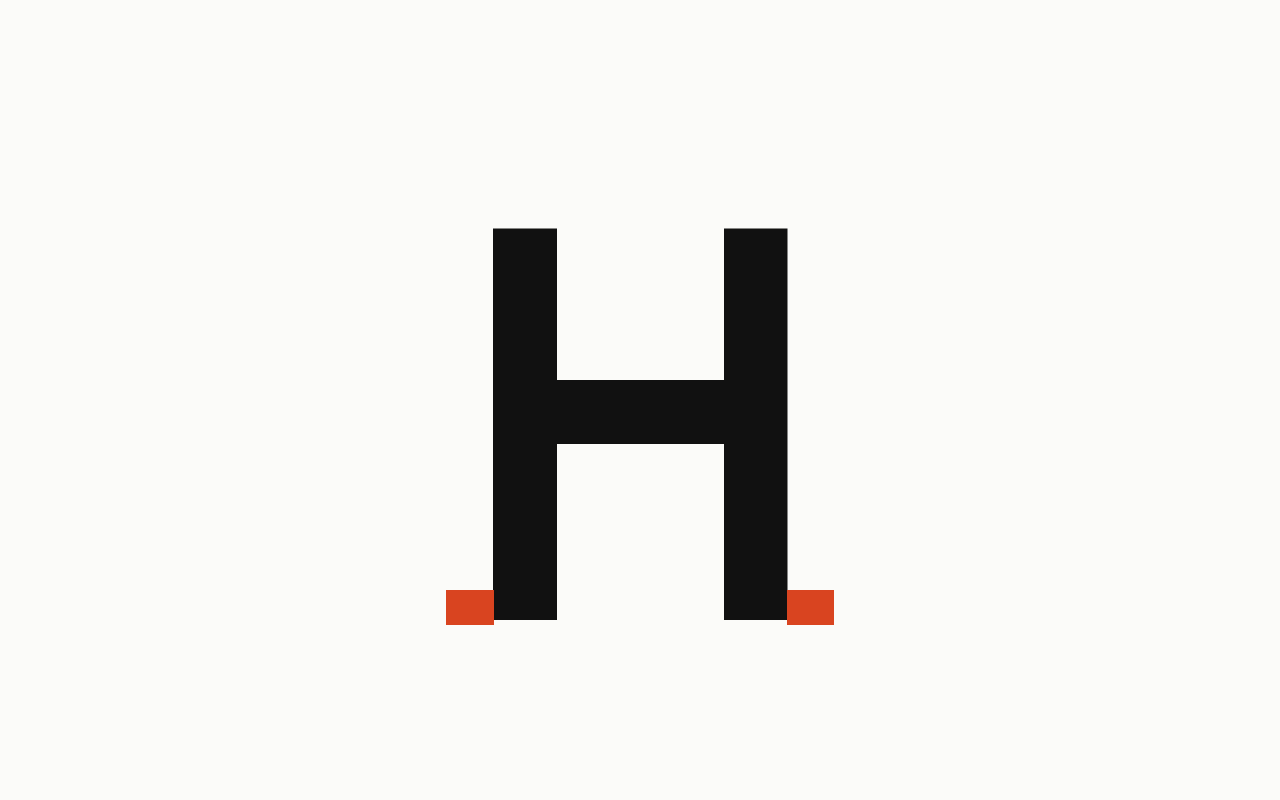
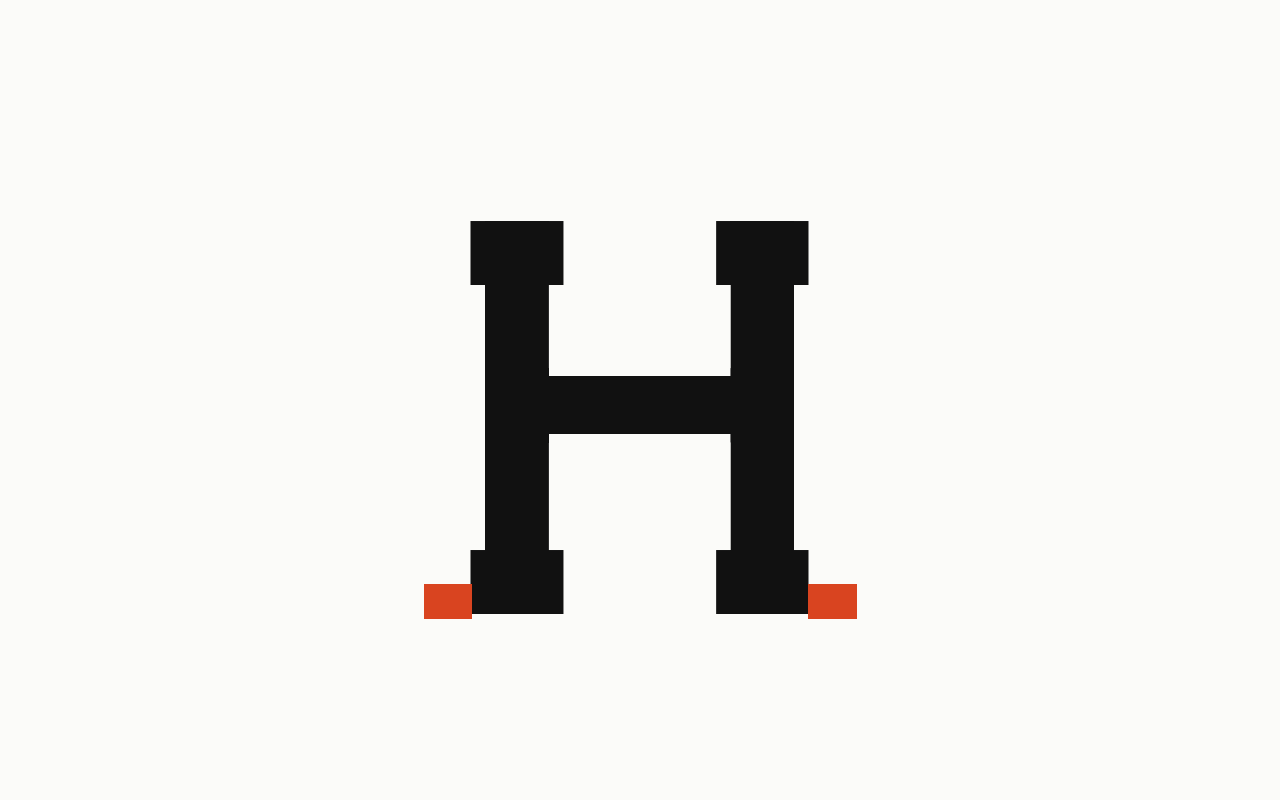
Near it
 Kerning
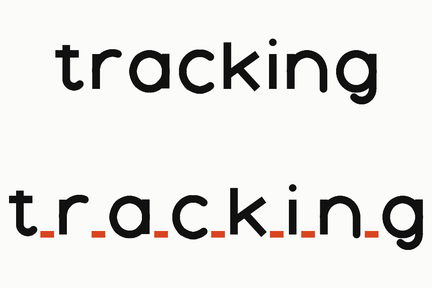 Tracking
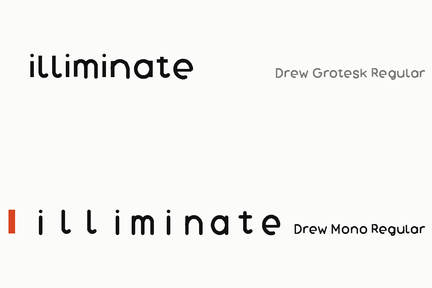 Monospace
What it is made of
| what it is | the space built into a glyph on each side of its ink, before any tracking or kerning is applied | |
| measured on this shelf, one glyph at a time | only 1 of 23 families gives the n an equal left and right sidebearing (Drew Mono). Drew Hairline's n carries 103 units on the left against 50 on the right | measured over the 23 house families, Regular, on the fixed shelf, 2026-09-29. Until 2026-09-24 this row named Drew Press as symmetric too and gave Hairline 106 against 51; both were read on a build replaced before it shipped, and the 106 and 51 had been typed into the tool itself, which printed them under a table that measured otherwise. The tool computes them now |
| AND THAT NUMBER DOES NOT DESCRIBE WHAT A READER SEES | the gap between two letters is the SUM of the two sidebearings facing each other, and on all 23 families the n-to-o and o-to-n sums sit within 2 per cent of the n's own advance | where the n leans 43 to 61 units (Extrude, Hairline, Poster, Round) the o leans the same way and cancels it, and on the rest the n leans 5 to 12 and the o stands even, so the two gaps differ by that lean and no more. Read one glyph at a time this shelf looks lopsided; read as a reader reads it, it is not. Re-measured on the fixed shelf, 2026-09-29 |
| the widest, and still within 2 per cent | Drew Square at 1.7 per cent and Drew Pixel at 1.5 | their n leans 12 units to the left and their o stands within a unit of even, so the lean is the whole difference: 13 of 786 and 12 of 786 |